Search engine optimization (SEO) is no longer just technical tweaking – it’s the lifeline of your business in digital competition. When customers are looking for a product, service, or expert, Google and AI-powered search do the first filtering. Only one question matters:
Do they find your site – or your competitor’s?
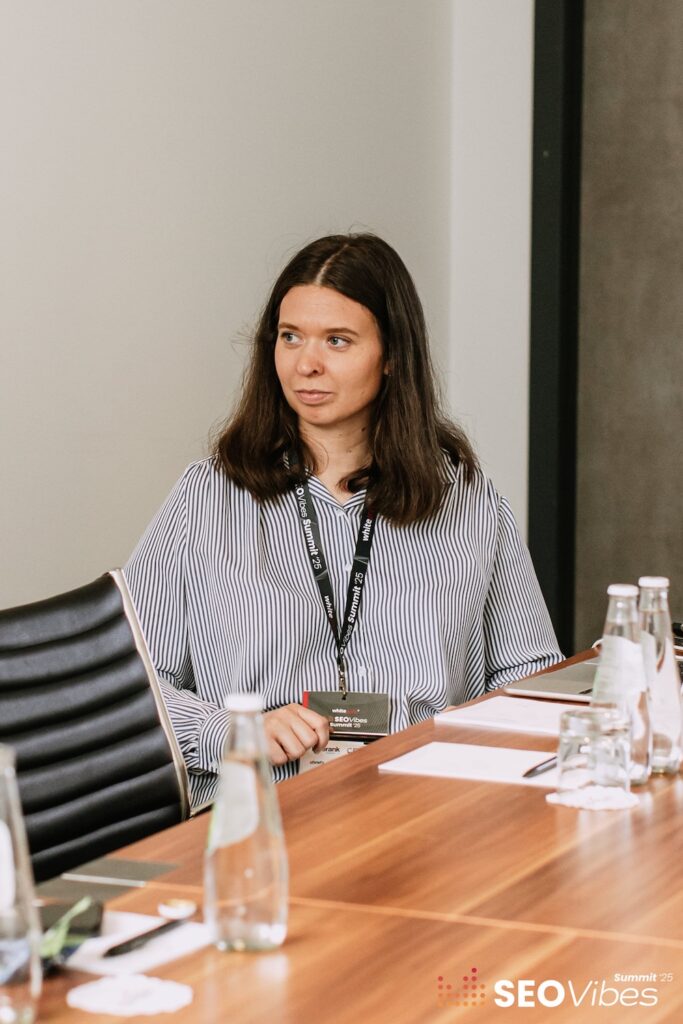

⭐ Why choose me as your SEO partner?
I’m Katarina Dahlin – one of the leading SEO experts in the Nordics and Senior Growth Hacker at WhitePress®. I have over 7 years of experience in SEO and digital marketing and have delivered hundreds of successful client projects in Finland, Sweden, and internationally.
I help companies grow organically with a holistic SEO approach:
- Technical SEO: making sure your site can rank in the first place.
- On-page SEO: fixing content, meta data, structure and internal linking.
- Link strategies & brand building: sustainable results with high-quality links.
- SEO for AI search: I help businesses gain visibility in AI-powered search results as well.
- SEO strategy and consulting: we build a competitive growth strategy for your business.
I’m specialised in eCommerce, B2B and B2C as well as companies that want to grow in new markets. Companies come to me when they want growth in organic revenue – not just higher rankings and clicks.
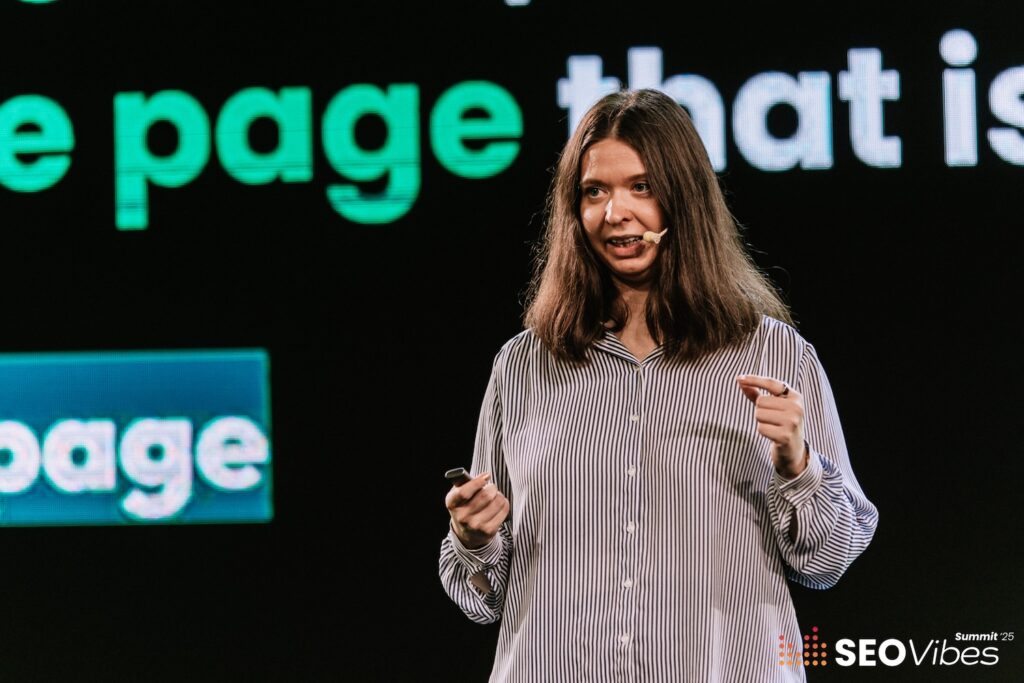
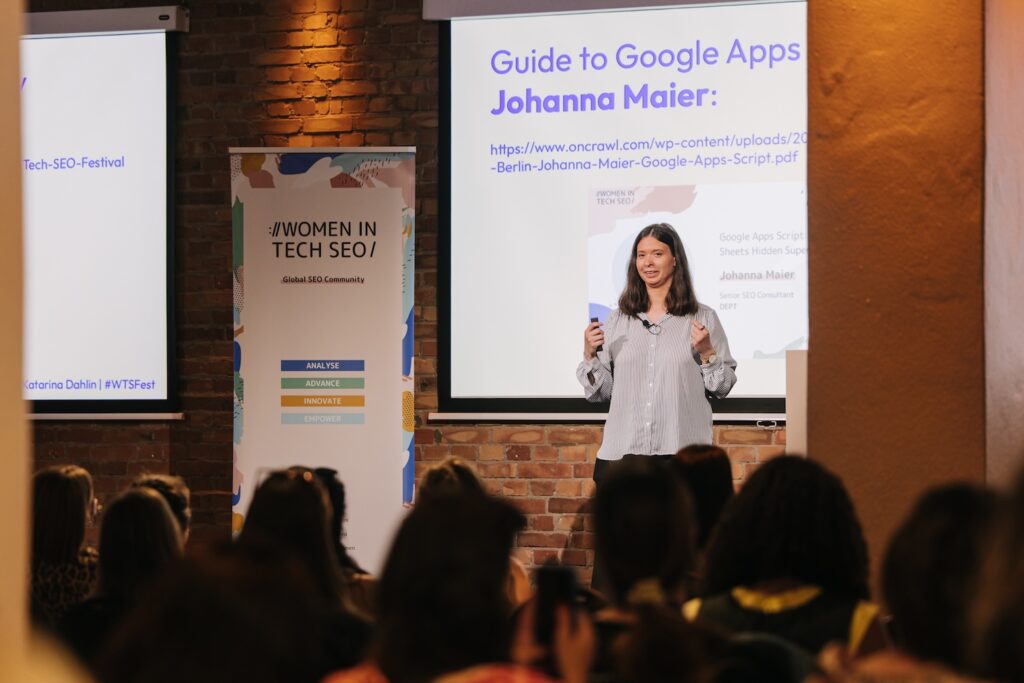
As an international speaker, I’ve shared my knowledge at BrightonSEO (UK & San Diego), SEO Vibes events and WTS Fest, among others.
Book a slot on LinkedIn if you want help with organic growth
What does SEO mean in 2026?
Search engine optimization (SEO) covers all the work that helps your website get found when a user is looking for a solution to their problem in Google or AI-powered search. SEO is not trickery — it’s a way of building a site that Google and AI systems can understand and feel confident to show to their users.
SEO in short and simple terms
SEO = technical foundations + high-quality content + trust, brand and links.
Environment: Google, social media, AI tools
When these are in place, your site can rise in the search results and earn free organic traffic.
How Google processes websites (crawl → render → index → rank)
A search result is created in four stages:
- Crawl (Google finds your page)
Google’s bots follow links and sitemaps. If a page is not indexed, it can never rank. - Render (Google “sees” your page like a browser)
Google interprets the HTML, CSS and JavaScript.
→ In 2026 Google prefers sites whose content is easily readable without heavy JavaScript rendering. - Index (Google stores the topic and content of your page)
Google decides which searches your page could be a relevant answer for. - Rank (Google decides in which order results are shown)
Ranking depends on e.g. content quality, E-E-A-T, technical performance and link trust.
What happens when a user searches?
This entire process takes milliseconds:
- Google evaluates the search intent (to buy? to learn? to navigate?).
- It looks in its index for all pages that could answer the question.
- Google orders the pages based on its algorithms → the best answer, best user experience and most trusted source win.
- In 2026, Google often shows both traditional results and an AI-generated summary.
If your page is not clear or trustworthy enough → it won’t be included as a source for the AI summary.
Why is SEO a long-term game?
SEO is not a quick ad — it’s an investment that grows over time.
Why the long time horizon?
- Google collects data: CTR, dwell time, scroll depth, bounce patterns.
- Links take time to appear.
- Your site’s E-E-A-T is built over months and years.
- AI searches also analyse signals from the rest of the web (mentions, profiles, references).
But once a page has earned its place in the rankings, results last far longer than with paid advertising.


How does SEO work in 2026?
In 2026, SEO is no longer just about optimising the blue links in Google. Search results are made up of multiple layers: traditional results, AI answers, visual results, personalised recommendations and multimodal searches (text, voice, image). To ensure visibility, your site has to work across all of these.
SEO still has three core pillars:
- technical quality
- content quality and relevance
- site authority and trust
But the way Google and AI-powered search interpret these has changed.
1. Search results are now two-layered: traditional results + AI answers
In 2026 Google, Bing and other search engines build two views for every query:
- a list of individual search results
- an AI-generated summary that gives a quick answer
You can’t pay or force your way into these AI answers. You need to:
- be clearly the best answer for the search intent
- provide data and content that AI can safely quote
- be a trusted source (E-E-A-T and brand signals)
AI answers won’t show sites that Google doesn’t fully understand or trust.
2. Google now puts more weight on first-hand experience
Generic content is no longer enough.
In 2026 Google and AI systems:
- favour writers with real experience in the topic
- are surprisingly good at detecting “human style” in content
- reward sites that show their own observations, measurements, experiences and data
Sites where content is clearly produced quickly without expertise lose visibility.
3. Content structure matters more than ever
AI models learn best from content that is:
- clearly structured
- in a question–answer format
- easy to index
- precise, concrete and fact-based
This is a big competitive advantage: your content doesn’t need to be the longest — the clearest and most useful content wins.
4. Technical health affects both crawlers and AI models
SEO in 2026 requires a technical foundation that Google can process without friction:
- lightweight, fast-rendering code
- an unambiguous site structure
- minimal JavaScript barriers
- mobile optimisation
- clearly marked main content
Google won’t rank a page highly if it can’t crawl it cost effectively.
5. Brand signals influence rankings
Google now uses brand awareness as a quality signal:
- how often people search for your brand by name
- how often your brand is mentioned elsewhere online
- how often users click your result in the SERP
Brand SEO is now a core part of ranking.
6. Links are still the strongest ranking factor
In 2026 Google can evaluate link quality better than ever:
- contextual linking
- domain trustworthiness
- topical relevance
- natural acquisition history
Mass link building or low-quality links don’t work.
7. User experience determines the final ranking
SEO is now largely about optimising user data:
- click-through rate
- time on page
- scroll depth and interactions
- returning visitors
- bounce rate
Google is constantly testing your site and will move it up if users are satisfied.
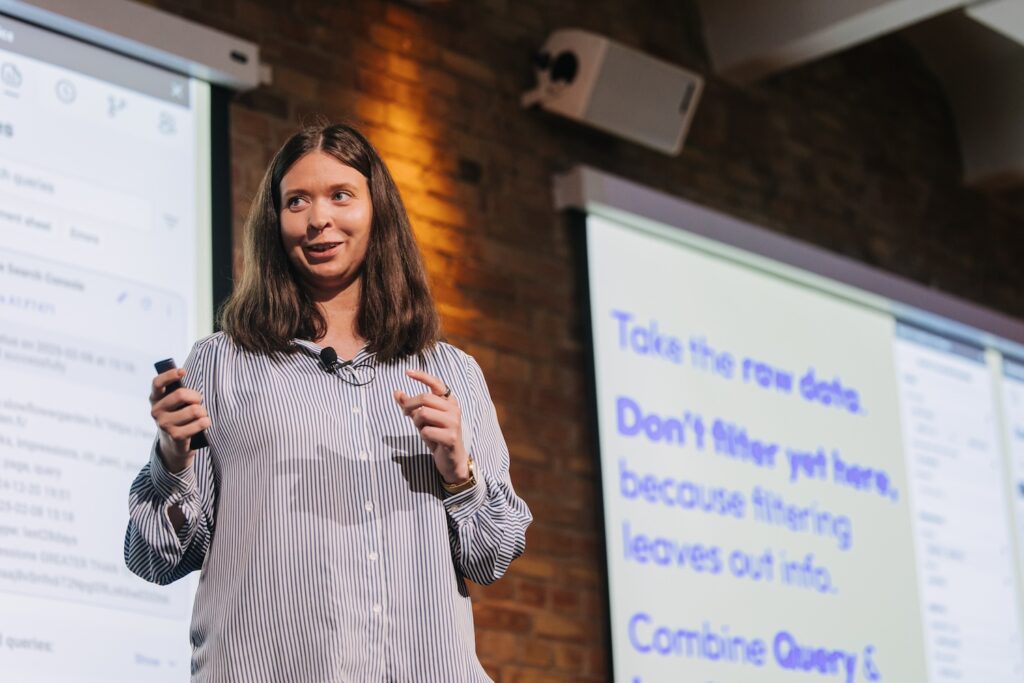
On-page SEO
On-page SEO includes all the actions that ensure Google and AI systems understand your page’s structure, purpose and content. In 2026, on-page SEO is no longer about repeating keywords, but about building a complete experience where:
- your content answers the search intent better than competitors
- the structure helps search engines interpret your content
- the page gives users a clear, fast and trustworthy experience
On-page SEO is the foundation on which all other optimisation is built.
1. User experience is the most important signal
Google and AI search now evaluate site quality largely based on user data. That’s why UX is at the heart of on-page optimisation.
The most important factors:
Clarity: the page answers the question directly and the structure is logical.
Speed: the page loads instantly, also on mobile.
Readability: paragraphs, subheadings and visual rhythm make it easy to digest.
Focus: one page = one topic.
If users quickly return to the search results (“pogo-sticking”), rankings drop.
2. Keyword research has become intent and topic research
In 2026, keywords are still important, but their role has changed:
- a page has to cover the entire topic, not just a single word
- the content has to match the search intent (informational, transactional, navigational)
- AI search favours content that covers a topic in depth but clearly
Keywords are now a guideline for content — not the centre of optimisation.
3. Structure is key: how to make content AI-friendly
Both Google and AI views favour content that is:
- broken down into clear subheadings
- in a question–answer format
- precise, concrete and easy to quote
This means:
H1: one clear main heading
H2/H3: logical hierarchy
Paragraphs: short and to the point
Lists: help AI models summarise your content
Your content shouldn’t be heavy or overly complex — clarity always wins.
4. Meta data is still the core of visibility
Meta title and description influence click-through rate and are critical for both traditional search and AI search.
A good title and description:
- describe the topic of the page accurately
- stand out from competitors
- increase CTR = better rankings
Google can replace weak meta data with its own — so it’s worth doing them well.
5. Content that beats competitors
In 2026, search engines evaluate whether your content:
- answers the search intent better than others
- offers a unique perspective, data or experience
- is fact-based and properly sourced
- shows the author’s expertise (E-E-A-T)
Your site doesn’t have to be perfect — it just needs to be a better answer to the question than your competitors.
6. Internal linking builds a strong context story
AI and search systems determine your site’s topics based on internal links. That’s why internal linking is one of the most effective on-page techniques in 2026.
Good internal linking:
- guides the user to the right in-depth content
- helps Google understand which content is most important
- lifts your key pages (“money pages”) higher
Content hubs are now critical.
7. Technical elements that impact on-page SEO
Technical quality is still an essential part of on-page SEO:
- clean, lightweight HTML
- minimised JavaScript
- responsive design
- Core Web Vitals in good shape
- schema markup to clarify the content type
Google won’t rank a page it can’t crawl, render or interpret easily.
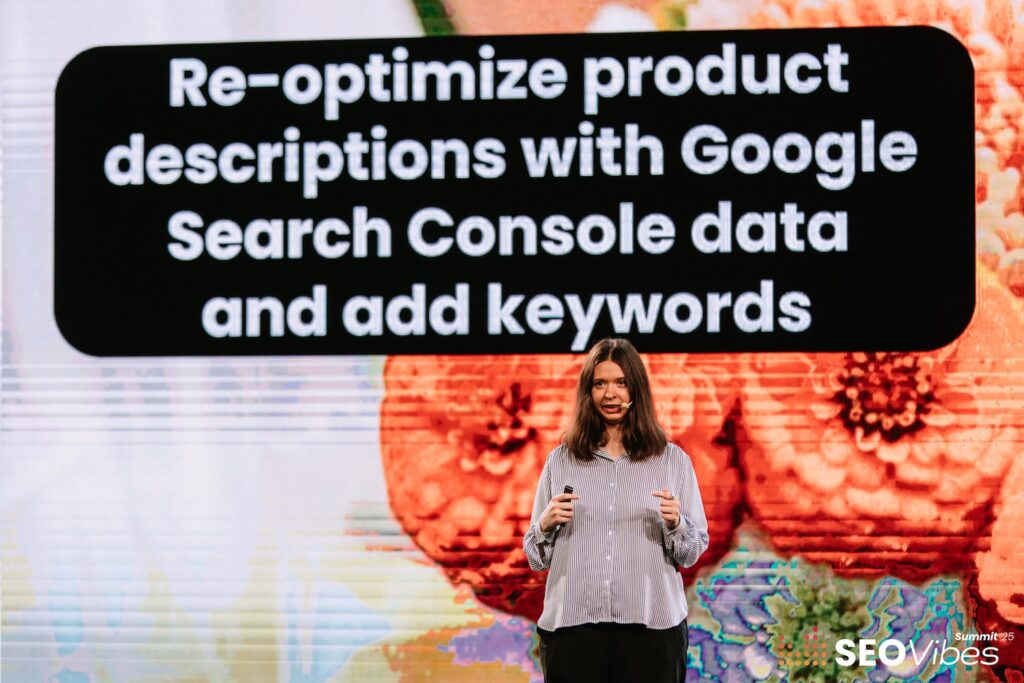
Off-page SEO
Off-page SEO covers all the signals that happen outside your own website – but directly affect how well your pages rank in Google and appear in AI search. In 2026, off-page SEO has evolved significantly: Google no longer evaluates just links, but your brand’s entire digital footprint.
Off-page optimisation consists of three main elements:
- Links (backlinks)
- Brand awareness and mentions online
- Social visibility and user-generated signals
1. Links are still the strongest ranking signal
Links are how Google decides which sites can be trusted. But in 2026, Google evaluates links with far more precision than before.
The most important factors:
Relevance
A link only works if it comes from a site that covers the same or a closely related topic.
For example:
A link to an SEO guide from a marketing blog = a strong signal
A link to an SEO guide from a random lifestyle site = a weak signal
Contextuality
The value of a link now depends on the surrounding context, not just the domain.
Google analyses:
– where in the article the link is placed
– what the surrounding text says
– how relevant the anchor text is
Natural acquisition history
Google can detect:
– unnaturally fast link growth
– repeated, over-optimised anchor text
– link schemes and one-way link networks
This makes “mass link building” useless or even harmful.
2. Brand signals – a ranking factor many competitors underestimate
In 2026, Google measures brand trustworthiness using multiple data sources.
Key brand signals:
- how often people search for your brand by name
- how often your brand is mentioned elsewhere online (even without a link)
- how visible your author profile is in trusted sources
- how often users choose your result over a competitor’s (CTR)
Brand building = the cornerstone of SEO strategy in 2026.
This is why SEO is no longer just technical optimisation – it also includes:
- PR
- visibility on social media
- speaking engagements
- expert articles
- mentions in news media
A site that is well-known ranks better.
3. Social visibility and user signals influence AI search
Google doesn’t use social signals as direct ranking factors, but in 2026 they have two critical effects:
Brand awareness grows → searches increase → rankings improve
When your brand is visible on TikTok, YouTube, LinkedIn or X, people start to:
- click your brand in the search results
- search for your brand by name
- share links to your content
These are strong signals to Google.
AI models pick up recommendations from social conversations
AI search builds answers partly from:
- heavily shared content
- expert profiles
- discussions on social media and forums
- sources that people consider trustworthy
This makes “social proof” more important in SEO than ever.
How to build off-page SEO that works in 2026
High-quality content that earns links → the best strategy
Content that earns links includes:
- data-driven articles
- tests, research and analysis
- guides with a unique angle
- round-ups and tools
- case studies and results
PR and digital PR
Well-targeted PR campaigns can bring:
- visibility in trusted media
- references that AI uses as signals
- high-authority links
Guest posts and expert content
Mass guest posting is over.
In 2026, only this works:
- writing for publications that are topically relevant
- articles that present new insights
- a clear author profile with E-E-A-T
Brand mentions
Google can recognise mentions even without hyperlinks.
These are strong trust signals, especially for AI search.
Off-page SEO and AI visibility
AI search chooses as sources sites that have:
- high trust
- a clear author profile
- strong domain authority
- a lot of references across the web
Without off-page signals, your page will not be included in AI summaries – even if the content is excellent.
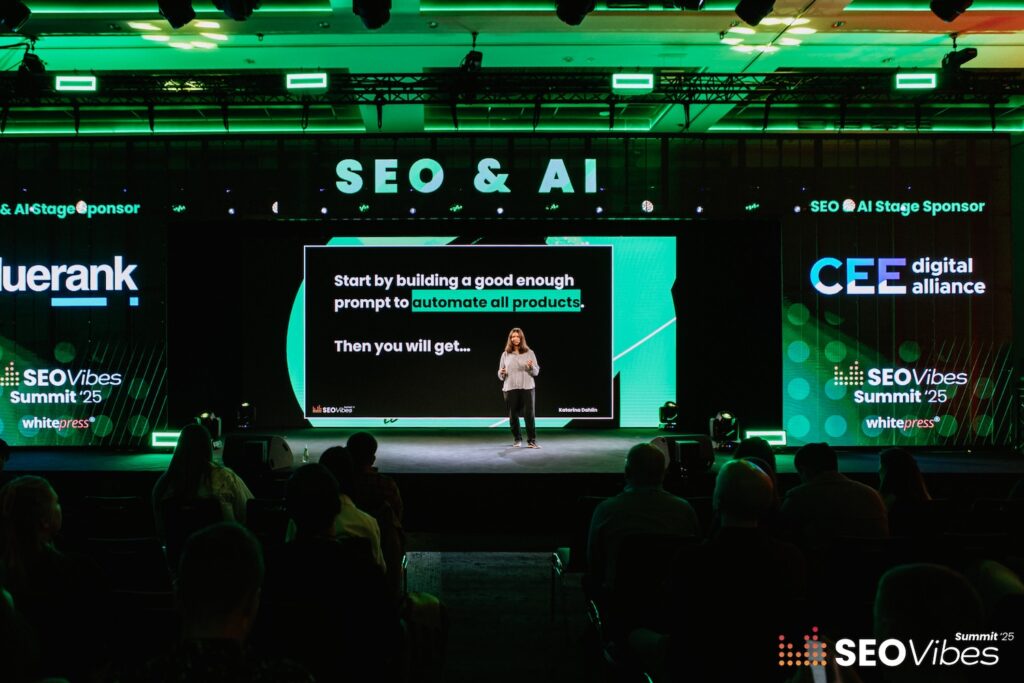
Technical SEO
Technical SEO is the foundation on which all content, links and brand signals are built. If the technical layer is leaking, nothing else will hold — the page won’t be indexed, it loads slowly or Google doesn’t understand its structure.
The technical basics consist of four critical areas:
Indexability and renderability
Google can only evaluate pages it can crawl, render and store in the index.
Key points in 2026:
- HTML-based content works best
- JavaScript is interpreted, but it is still a slower and more fragile layer
- clear URL structure and unambiguous paths
- robots.txt + noindex tags under control
If Google doesn’t see the same content as the user → you won’t rank.
Site speed and efficient code structure
Speed is still one of the strongest technical ranking factors.
Key metrics:
- LCP < 2.5 s
- INP < 200 ms
- Lightweight HTML and minimal JS
A slow page doesn’t work for AI summaries either: they avoid sources whose content loads unreliably.
Mobile experience
Google indexes only the mobile version.
If mobile doesn’t work, the page can’t rank.
Key aspects:
- responsive layout
- no intrusive elements covering the content
- a touch-friendly interface
Clear content architecture
Search engines perform best when your site structure supports their logic.
In 2026 this means:
- one topic per page
- content hubs and a logical linking structure
- schema markup (FAQ, Article, Product, Organization)
- a sitemap that’s easy to interpret
Technical quality alone won’t take you to the top — but without it, the top is impossible.
What does an effective SEO strategy look like in 2026?
When technical foundations, content and trust form the three pillars of SEO, your strategy defines how you use them to reach your goals.
A strong SEO strategy in 2026 includes:
Clear goals
For example:
- growth in organic revenue
- owning a specific market
- increasing visibility in AI search
- growing brand search volume
SEO is not a checklist of tasks – it’s a plan for growth in the right channels.
Search-intent and topic-driven content map
Keywords are just a starting point — topic clusters win.
Your strategy defines:
- which topic clusters you own
- which pages are your “money pages”
- how internal links support your authority
Link and brand signal strategy
In 2026, link quality > link quantity.
This includes:
- earned links
- high-quality PR signals
- brand visibility across the web
- mentions that support E-E-A-T
Continuous optimisation and data-driven updates
Search results change weekly — your strategy evolves with them.
The key is:
- Search Console analytics (AI summary sources, CTR, impressions)
- improving user signals (scroll, dwell time, return rate)
- tracking competitor changes
Building for AI search
Your content and structure are optimised so that:
- AI can understand the core of the page
- the page is quotable and a safe source
- the content includes concrete, experience-based data
Why invest in SEO?
Google is still the most important place for a company or brand to be visible. When people want to buy something, they usually want to compare products or learn more before making a decision. That’s when they often turn to Google to search for more information about a product or topic. If your site is in the top 3 results, there is a high chance the user will land on your page to view the product or read more. SEO helps your site be in those top positions when the user is ready to buy.
SEO is slow and long-term work. You can get to the top of Google faster by buying visibility with Google Ads. However, Google Ads costs rise year after year and can become very expensive. That’s why it’s important that your site is SEO-optimised and that part of your visitors come to your site “for free”, so that your overall customer acquisition cost doesn’t become too high.
Why invest in SEO in 2026?
SEO is one of the few marketing channels that keeps delivering value years after the work is done. Once your site reaches the top of the search results, it gets free and highly targeted traffic at a time when other channels are becoming more expensive.
Three reasons why SEO is critical in 2026:
1. Users start almost every buying journey in a search engine
Your business can’t be part of the conversation if it doesn’t appear in the search results when the customer is looking for a solution.
2. Google Ads prices are rising – organic visibility balances your costs
Paid ads deliver quick results, but costs increase every year.
SEO brings lasting visibility that lowers your overall customer acquisition cost.
3. AI search highlights trustworthy sources
Only sites that search engines trust enough to reference will appear in AI summaries.
SEO is no longer just about ranking — it’s about:
- visibility in AI answers
- trust
- strengthening your brand in the eyes of search engines
Without SEO, your company is background noise.
With SEO, you become an option — and ultimately the customer’s choice.
How to do SEO in 2026?
SEO is a continuous process where technical foundations, content and authority are built step by step. In 2026, the most important thing is not a single “hack”, but the overall system.
1. Understand search intent
Analyse what the user is actually trying to solve.
SEO is no longer based only on keywords — but on how well the page solves the need.
2. Build content with a topic cluster model
Create a clear structure where:
- one core page = one main theme
- supporting pages deepen that theme
- internal links guide the user (and Google) to the right place
This model beats optimisation of isolated keyword pages.
3. Make your content the best answer to the search intent
Your content wins when it is:
- clearly structured
- concrete and fact-based
- more useful than competitors’ content
- written for humans, not search engines
AI search surfaces only content that looks trustworthy and understandable.
4. Ensure technical quality
Technical SEO is a prerequisite for everything else.
The most important things:
- fast loading (LCP < 2.5s, INP < 200ms)
- clean HTML
- minimal JavaScript
- mobile-first layout
- schema markup
If Google can’t crawl or render the content, it can’t rank it either.
5. Build authority with links and brand
Links + brand mentions = your site’s trust level.
Do this:
- earn links with content that is genuinely shareable
- publish articles in trusted publications
- be visible at events, in media and on social platforms
- create an author profile that supports E-E-A-T requirements
In 2026, Google penalises weak link schemes but rewards real authority.
6. Continuously optimise pages with data
Search Console is your most important tool.
Optimise based on:
- which queries your page gets impressions from
- which queries it could answer better
- when CTR drops (→ meta data needs updating)
- where your content is not competitive enough
SEO is built on small, repeated improvements — not a single big project.
Measuring SEO in 2026
(Efficient, concise, modern view.)
You shouldn’t measure SEO results only by traffic volume. In 2026, the most important metrics show:
1. Development of discoverability
- organic impressions
- rankings for key search intents
- visibility in AI summaries (SGE source list, Bing AI, Perplexity)
2. User signals
Google looks at:
- click-through rate
- time spent on page
- engagement
- return rate
High-quality content shows up immediately as better user data.
3. Business impact
SEO is not an “investment in rankings”, but an investment in:
- organic sales
- leads
- reduced customer acquisition costs
The channels and pages that create the most value are the most important SEO metrics.
TL;DR – SEO in 2026
You don’t need to know everything about SEO. I can help with that – so you can focus on growing your business.
SEO in 2026 is a system where technical foundations, clear content structure and brand trust decide who wins. Google and AI search only show sites they understand and trust.
Visibility goes to the page that:
- loads quickly, works technically well, and can be read by AI models so you have a chance to appear in AI search
- answers the search intent better and more clearly than competitors
- contains experience-based, concrete and easily quotable information
- is part of a strong content and link network (topic cluster + quality links)
- collects brand signals, mentions and user trust across the web
SEO is no longer “just a ranking project” – it’s your company’s long-term growth engine:
Better discoverability, visibility in AI search, more of the right customers – and a lower total customer acquisition cost.
Do you need my help?
Do you want to grow organic visibility and attract the right customers through Google and AI search?
If your company needs:
- better visibility for your most important searches
- a content strategy stronger than your competitors’
- technical SEO that supports growth
- a site optimised for AI search
- a clear, measurable and realistic SEO plan
I’d be happy to help.
Companies work with me when SEO needs to deliver measurable growth – not just reports.